Build a Gravity-Fed Balcony Herb Waterer from Reused Bottles
A low-cost, no-electricity irrigation project for renters who want steadier watering without permanent alterations.
By Writer ·
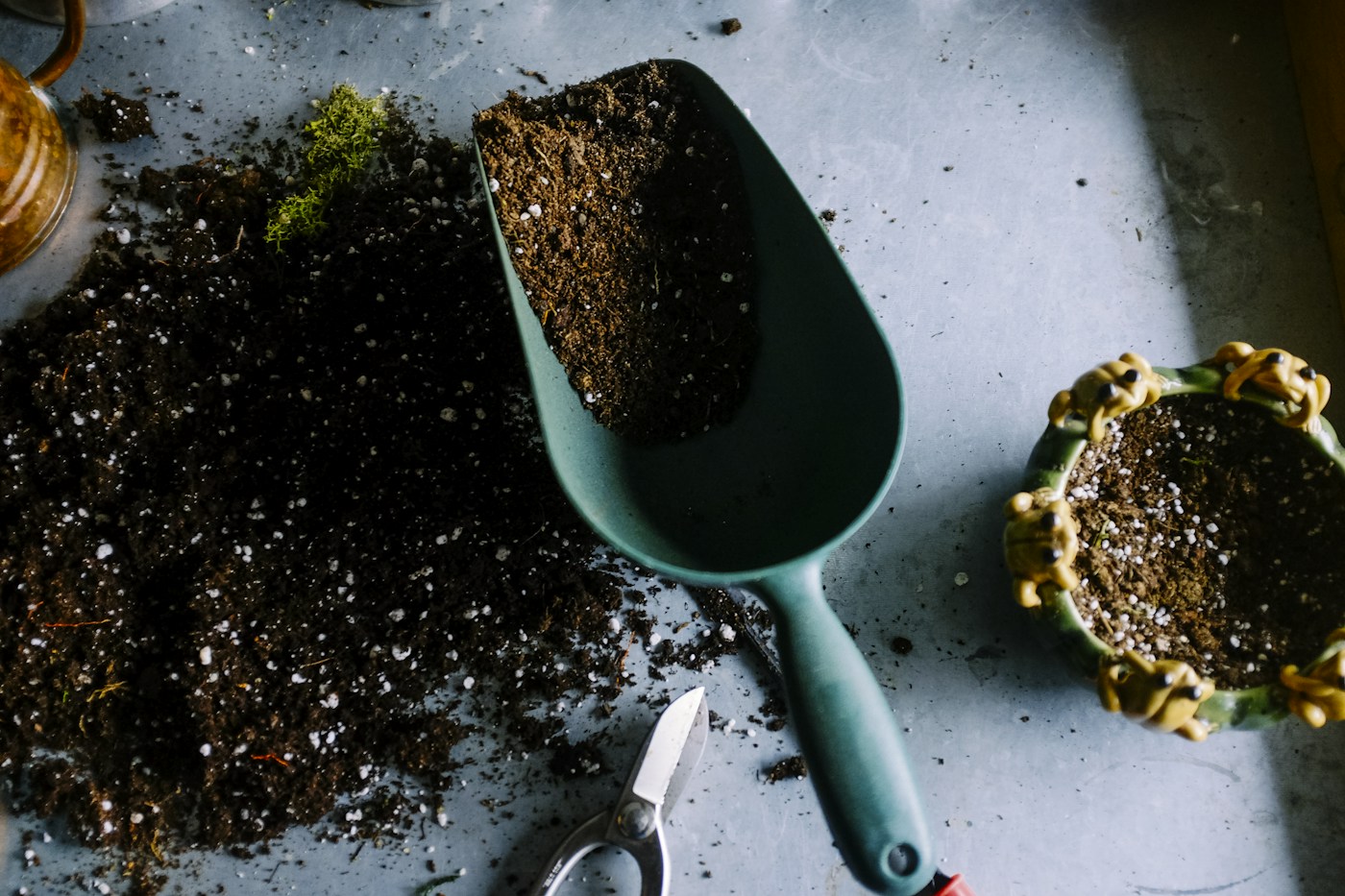
Wick irrigation cannot replace observation. Different pots, soils and weather conditions move water at different rates. The purpose of this build is to smooth short gaps between watering—not to make a plant maintenance-free.
Know when it is working
The soil should remain lightly moist below the surface without becoming saturated. Empty saucers after heavy rain and scrub reservoirs weekly.
How the system actually works
A wet cotton cord contains tiny connected spaces. Water adheres to the fibres and moves along them while dry potting mix pulls moisture from the other end. Gravity helps when the reservoir is slightly higher, but height also increases flow. That is why calibration matters more than copying a photograph.
Match the system to the plant
Basil and mint generally tolerate steadier moisture than rosemary or thyme. Do not put every herb on the same reservoir and assume equal demand. Pot size, sun, wind and soil composition can change consumption dramatically. Start with a single planter, measure for two days, then repeat.
Prepare a safe reservoir
Use a container that originally held food or drinking water. Wash it with dish soap, rinse thoroughly and inspect for cracks. Never reuse bottles that held cleaning chemicals, fuel, pesticides or unknown liquids. Opaque containers reduce algae; if the bottle is clear, place it inside a removable sleeve rather than painting a surface that contacts water.
Make the cap without injury
Remove the cap from the bottle and brace it on scrap wood. Turn the awl slowly away from your supporting hand. The hole should grip the cord: an oversized opening leaks and gives insects a route inside. Children should not perform this step without direct adult supervision.
Prime, place and observe
Soak the entire cord before assembly. A dry wick can take too long to establish flow. Bury the soil end several centimetres deep and place it near the root zone without wrapping it around the stem. Mark the starting water level with removable tape and photograph it at the same time on two consecutive days.
Correct common failures
If the pot stays dry, confirm that the cord is natural cotton, fully wet and in firm contact with soil. Raise the reservoir only a few centimetres at a time. If the soil becomes saturated, lower the reservoir, shorten the wick or use a thinner cord. Persistent waterlogging requires stopping the system and checking drainage.
Mosquito and balcony safety
Seal every opening around the cord and refresh the water regularly. Do not leave open saucers or buckets. Keep all containers on the floor or a stable shelf inside the balcony line; never hang a filled bottle over a railing. One litre of water weighs roughly one kilogram before the container is counted.
Maintenance
Weekly, empty and scrub the reservoir, rinse the cord and inspect for slime or fraying. Monthly, flush the pot with ordinary top watering so dissolved salts do not concentrate in one area. Retire brittle plastic instead of waiting for it to split.
Cost
₹300–₹700, depending on containersTags
- Balcony garden
- Reuse
- Water saving
Steps
- Title: Clean and inspectDuration: 15 minInstruction: Wash bottles thoroughly, remove labels and reject containers that held chemicals.
- Title: Prepare the wickWarning: Brace the cap on scrap wood and keep hands away from the awl.Duration: 15 minInstruction: Make a snug hole in each cap. Thread washed cotton cord through it, leaving 15 cm inside and 20 cm outside.
- Title: Prime and placeDuration: 15 minInstruction: Soak the cord, fill the bottle, close it and place it slightly above the soil. Bury the free end 5 cm deep near—not against—the stem.
- Tip: Test while you are home before relying on it during travel.Title: CalibrateDuration: 15 minInstruction: Mark the water level and observe consumption for 48 hours. Raise the reservoir slightly for more flow or lower it for less.
Tools
- Awl or small hand drill
- Scissors
- Marker
- Jug
Prep Time
20 minutesMaterials
- Cost: ReusedName: Food-safe bottles with capsQuantity: 1 per planter
- Cost: ₹100–₹200Name: Cotton cord, 5–6 mmQuantity: 40 cm per planter
- Cost: ₹200–₹500Name: Plant saucersQuantity: 1 per planter
Total Time
60 minutesDifficulty
BeginnerSafety Tips
Use only food-safe containers. Prevent standing water, keep reservoirs shaded, and inspect for mosquito access. Never attach weight to balcony rails.Description
Turn food-safe bottles and cotton cord into a removable slow-watering system.Prerequisites
Healthy potted herbs with drainage holes and permission for balcony use.Active Work Time
40 minutesDifficulty Explanation
No power tools or permanent building changes are required.Material Cost Breakdown
- Cost: ₹100–₹200Item: Cord
- Cost: ₹200–₹500Item: Saucers