IndiaFOSS 2026 Is This Weekend: Why Digital Commons Have Become Public Infrastructure
As maintainers, researchers and policy thinkers gather in Bengaluru, the harder question is who sustains the open software on which everyday digital life quietly depends.
By RawColumn Editorial ·
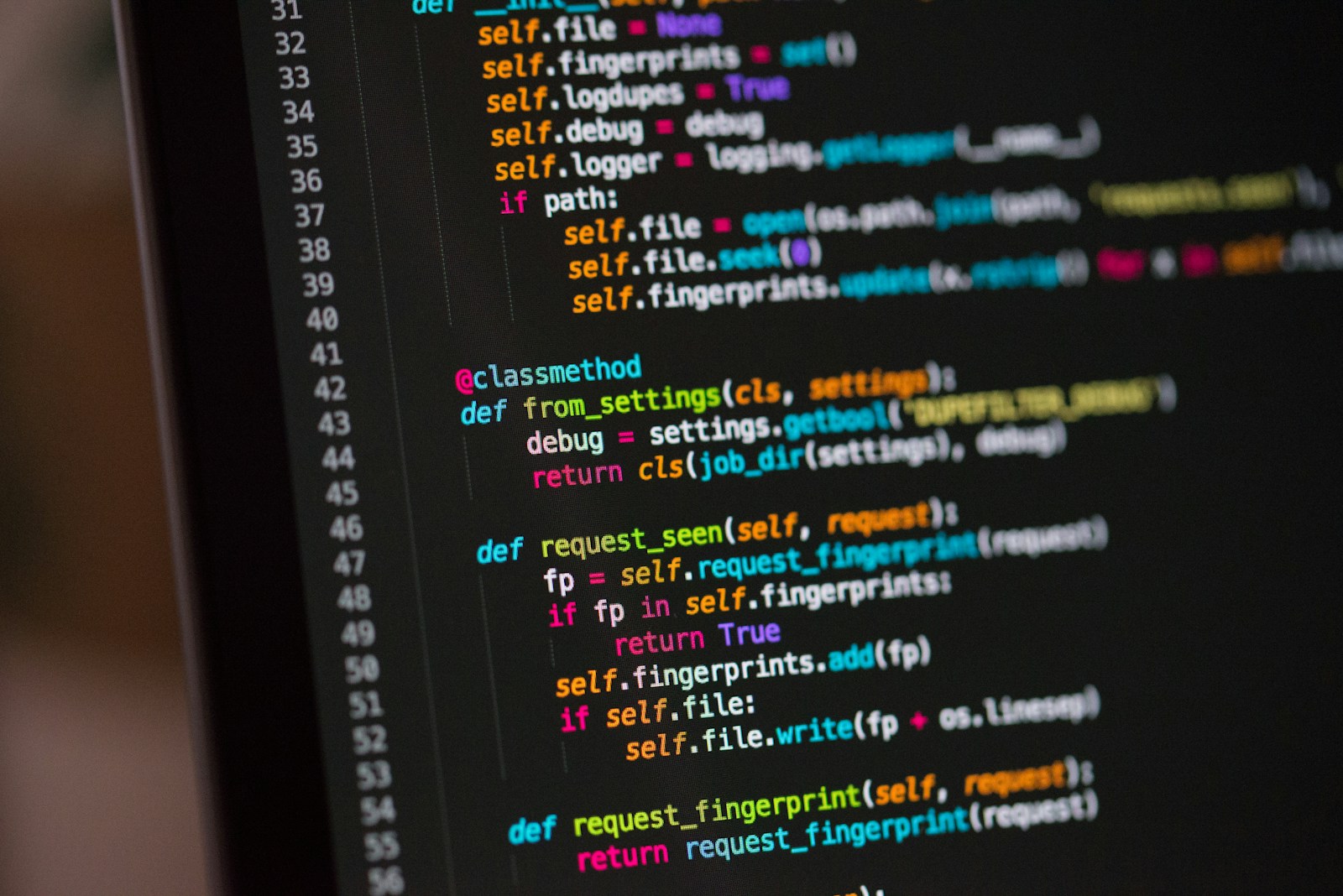
Tomorrow, thousands of people will walk into a Bengaluru convention centre to talk about code that anyone can inspect, improve and redistribute. That can sound like a specialist gathering. It is not. Open-source software sits underneath browsers, banks, hospitals, public services and the cloud; the question at IndiaFOSS 2026 is less whether society uses digital commons than whether it is willing to maintain them.
What is happening this weekend
IndiaFOSS describes its sixth edition as a festival of free and open-source software and digital commons. The main event runs on 26 and 27 September at the NIMHANS Convention Centre, Bengaluru, following workshops and a maintainer summit on 25 September. Its published programme spans open data, open hardware, open science, free and open AI, policy, funding and community sustainability.
The range matters. A healthy open ecosystem is not simply a warehouse of code. It includes documentation, translation, security response, standards, governance and people who can challenge a bad technical decision before it becomes infrastructure.
The invisible maintenance bill
Organisations often adopt an open library because it is capable and costs nothing to download. Neither fact means it costs nothing to sustain. A package used by millions may depend on a small volunteer team reviewing bug reports at night. Documentation can age. Security advisories need triage. New contributors need patient review. The public benefit is broad while responsibility can remain painfully narrow.
Open source removes the price of permission; it does not remove the cost of care.
That mismatch is now a board-level risk. Before approving a dependency, teams should ask who maintains it, how releases are signed, whether vulnerabilities are disclosed responsibly, how quickly updates are adopted and what the exit plan is if the project stalls.
Why digital commons are more than procurement
Public institutions gain something important when systems use open standards and inspectable software: the possibility of audit, local adaptation and reduced dependence on one supplier. But publishing a repository is not the same as creating a commons. If installation requires private knowledge, decisions occur behind closed doors or contributions are routinely ignored, the label is doing more work than the community.
For India, language access is another test. Software that is technically open but usable only in English, on powerful hardware or with continuous broadband can reproduce exclusion. Translation files, accessible interfaces, offline modes and low-memory performance are infrastructure work too.
AI changes the argument
The phrase “open AI” can hide several different claims. A model may expose weights but not training data; publish code but restrict commercial use; permit downloads without revealing evaluation methods. Visitors should look past the adjective and ask what can actually be inspected, modified and redistributed, and which risks remain with downstream users.
AI also creates demand for shared evaluation datasets, language resources and safety tooling. These can be public goods, but only if consent, provenance and licensing are treated as design requirements rather than paperwork added after collection.
A practical agenda for institutions
- Inventory dependencies: know which open components support critical services and who owns the update decision.
- Fund upstream work: budget for maintenance, security audits and documentation instead of relying exclusively on extraction.
- Prefer open standards: data portability often matters more than a fashionable licence badge.
- Publish contribution rules: explain governance, review timelines and how public feedback changes the roadmap.
- Measure inclusion: test languages, assistive technology, weak networks and inexpensive devices.
What to watch at IndiaFOSS
Listen for evidence about sustainable funding, not only successful launches. Ask maintainers what would let them say no to unsafe demands. Look for communities that share authority, credit non-code work and document disagreements. The strongest project is not necessarily the one with the loudest demo; it may be the one that can still respond responsibly five years later.
Sources: IndiaFOSS 2026 official programme; Government of India policy on adoption of open-source software. Event details can change; verify the organiser’s site before travelling.